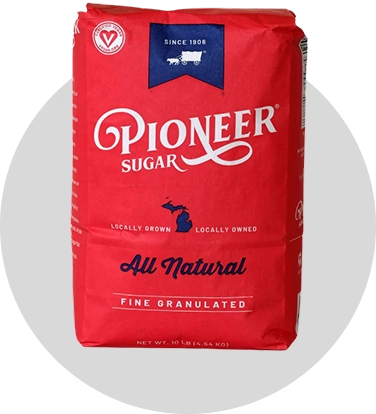
Nearly 900 local grower-owners harvest natural sugarbeets to produce pure, high-quality sugar. Since 1906, our process has delivered all-natural sweetness from the farm directly to your table.
Though it is time-intensive, each year the farmers in Pioneer Sugar’s cooperative work in unison with Mother Nature to nurture their sugarbeet crops using sustainable agriculture practices that support healthy soil and eco-friendly farming outcomes. These sugarbeets are carefully cultivated throughout the growing season to produce pure beet sugar — a naturally derived sweetener recognized as one of the most sustainable sweetener solutions in modern agriculture. Learn how a young sugarbeet seedling survives many obstacles and grows into a strong crop that gives us the pure, all-natural sugar that ends up on a table near you.
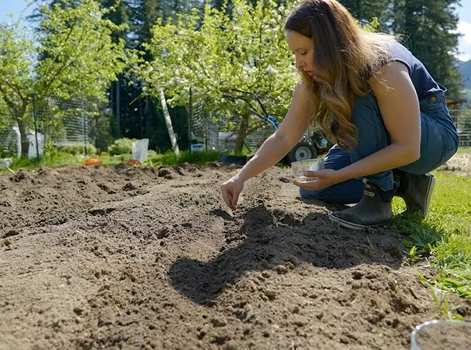
In early spring, farmers in Michigan and Ontario plant sugarbeet seeds in rich soil across productive sugarbeet farms that are known for climate-friendly farming and responsible land stewardship. Rain, sun, fertilizer, and proper seedbed preparation help the seeds develop into enormous sugarbeets with large, white taproots. This stage of sugarbeet cultivation reflects sustainable farming methods that support soil health and long-term crop resilience. Young sugarbeet seedlings have many challenges to overcome in the four to six months that it takes to become a mature crop.
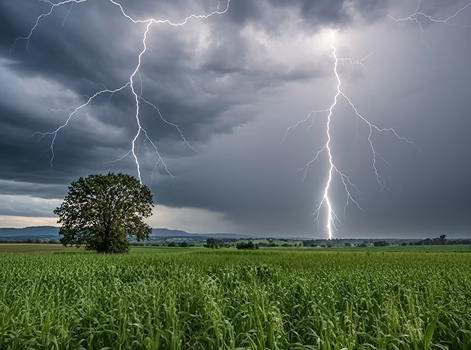
The weather is very important to sugarbeets, especially in Michigan’s unique growing region where sugarbeets Michigan farmers manage seasonal conditions through sustainable agriculture techniques and regenerative agriculture practices. If the soil is too dry, the seeds will not germinate, while heavy rains can drown out the crop. Freezing weather also can kill small seedlings. After planting, growers hope for warm weather and soft rains of about 1 inch per week. Strong winds can cause the sugarbeets to twist and turn, and along with blowing soil, the plants can be cut in half by the wind. Sugarbeet growers have learned different ways to help combat the weather, but occasionally the crop can be lost or severely damaged.
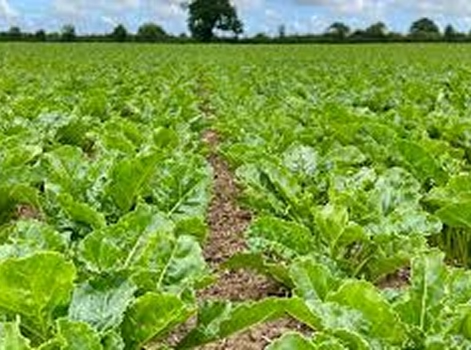
After sugarbeets get a little bigger, about 6-12 inches tall, they are able to wishstand harsh weather and insect problems. By mid-summer, sugarbeets have leaves that are 1-2 feet tall and begin storing sugar in their roots.
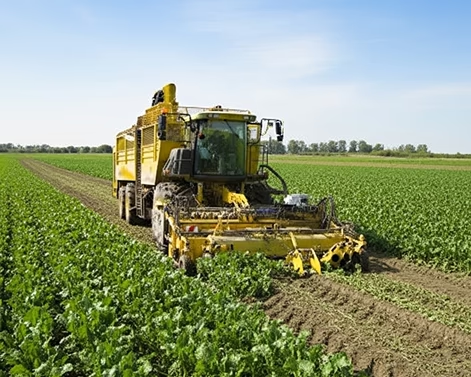
Sugarbeet harvest begins in the fall. A topping machine removes the giant leaves before the harvester moves through the fields, lifting the beets from the earth. This process reflects modern sustainable sugar production methods that prioritize efficiency while reducing waste across the farm-to-table movement supply chain. Dirt is removed from the sugarbeets by shaking the beets using the harvester’s rollers. Large trucks drive beside the tractor to catch the beets once they are harvested.
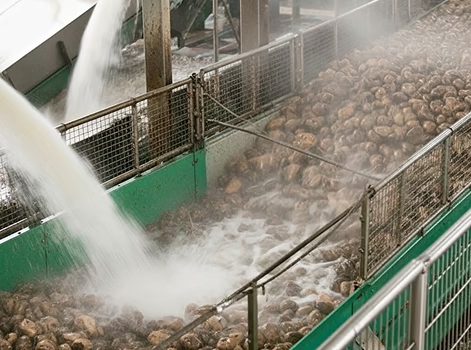
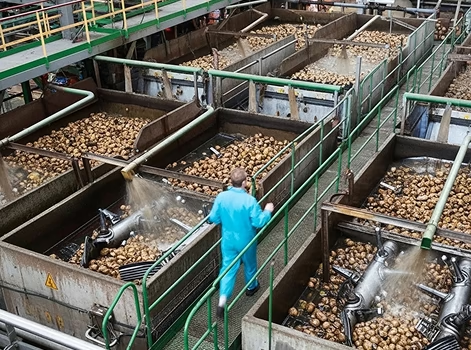
Once harvested, sugar beets begin the next step in their journey from field to table. Farmers carefully load freshly harvested beets and transport them to Pioneer Sugar’s Michigan processing facilities, where they are inspected and prepared for processing.
From Michigan farms to Michigan processing plants, every delivery is an important step in bringing locally grown sweetness to your table.
The cossettes are dumped into a very large tank filled with hot water called a diffuser. As the cossettes move through the diffuser, the sugar comes out of the beets and goes into a solution of sugar water. Filters and natural cleansers of lime and carbon dioxide remove any impurities, supporting eco-friendly agriculture and sustainable sugar production standards. The remaining, de-sugared cossettes will be turned into a co-product that makes an excellent animal feed – pulp.
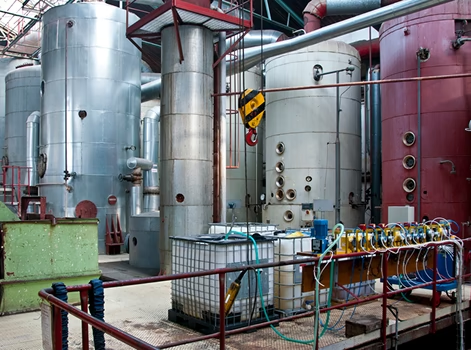
Juice from the purification step is quite thin and consists of much water. The majority of this water is removed by heating the thin juice and boiling it off until the juice becomes considerably thicker. This evaporator station consists of several vessels containing thousands of tubes. Boilers produce steam, which is applied to the outside of the evaporator tubes while the juice passes through the inside. After being filtered again, the juice is thick enough that crystals form and the thickened juice from evaporation is now ready to have the crystalized sugar separated from the concentrated juice.
The crystallized sugar is spun around at high speeds in a centrifuge machine, removing the molasses that did not crystallize. The damp sugar then tumbles through hot, filtered air to dry. The dry sugar is cooled and conditioned and then stored in a sugar silo for subsequent packaging or shipment — supporting sustainable packaging solutions for food and beverage manufacturers who value responsibly sourced ingredients.
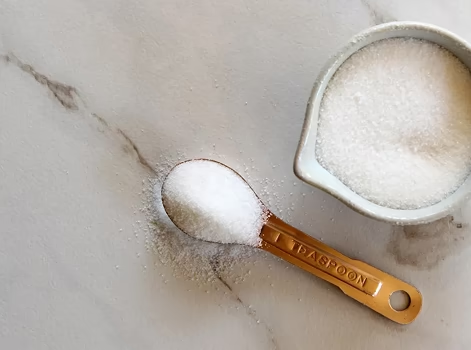
The sugar is packaged in smaller Pioneer Sugar bags in 2-, 4-, 7-, 10-, and 25-pound sizes, with a growing focus on sustainable packaging and environmentally conscious distribution practices. The bags are delivered to grocery stores throughout the country to support sustainable grocery shopping options for consumers seeking ethically produced sweetener choices. Some of our sugar is packed in larger bags and totes holding 25, 50, or 2,000 pounds. These are delivered to various food manufacturers who make cereal, yogurt, cookies and other sweet treats.

We package our granulated sugar using recyclable materials and clearly label them to support responsible disposal.